Foods and Supplements That Help in the Fight Against Aging: What Does Science Say?
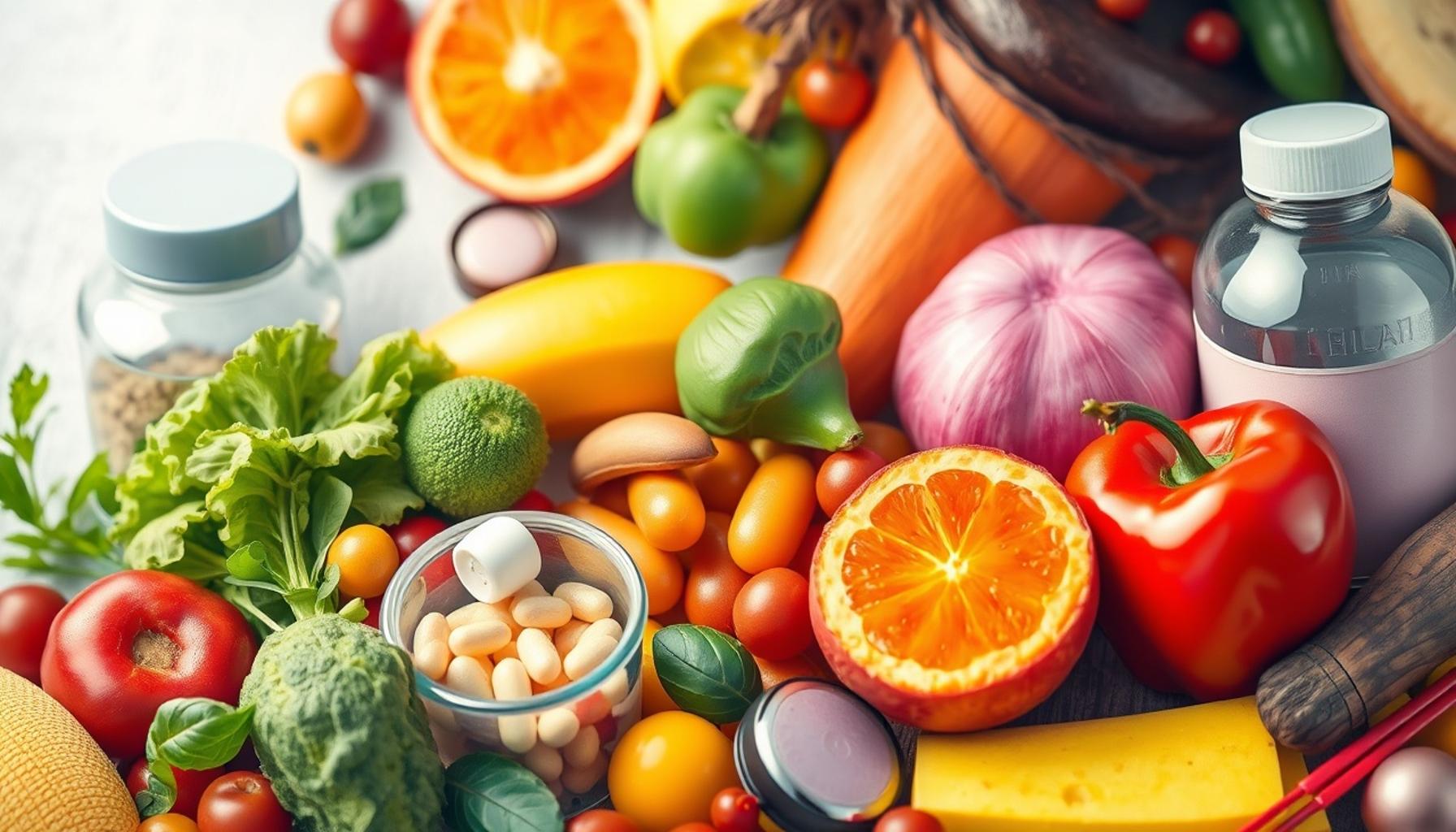
Understanding the Role of Nutrition in Healthy Aging
As we journey through life, the pursuit of vitality becomes increasingly essential. Recent scientific discoveries emphasize that our dietary choices play a pivotal role in shaping how we age. By understanding the impact of foods and supplements on our bodies, we can make informed decisions that significantly influence our longevity and quality of life.
Among the various nutrients identified in studies aimed at combating the effects of aging, a select few stand out:
- Antioxidants: These substances, found abundantly in fruits and vegetables, such as blueberries, spinach, and nuts, help neutralize free radicals—unstable molecules that cause cellular damage. For instance, a diet rich in antioxidants can lower inflammation and reduce the risk of chronic diseases like heart disease and cancer.
- Omega-3 Fatty Acids: Present in fatty fish like salmon, walnuts, and flaxseeds, omega-3 fatty acids are celebrated for their anti-inflammatory properties. Research indicates that regular intake can promote heart health, enhance cognitive function, and lower the risk of degenerative diseases.
- Vitamins C and E: Both are vital for collagen production, which is crucial in maintaining skin elasticity. Foods such as citrus fruits, berries, and almonds can provide these essential vitamins. Vitamin C also acts as a powerful antioxidant, further protecting our skin against damage.
- Curcumin: This active ingredient in turmeric is gaining traction in the health community for its promising anti-aging benefits. Studies suggest that curcumin may improve memory and cognitive function while also providing anti-inflammatory effects.
Incorporating these nutrients into our diets can be simpler than it seems. A colorful plate filled with various fruits, vegetables, whole grains, and lean proteins not only delights the palate but also fortifies the body against the test of time. Cooking with spices like turmeric can easily infuse meals with health benefits while enhancing flavor.
In recent years, dietary supplements have gained popularity as a quick way to bolster nutrient intake. From multivitamins to specialized formulations promoting longevity, the market is filled with options. Yet, it’s essential to approach these products with caution. While supplements can be beneficial, their effectiveness can vary based on individual health needs and existing dietary patterns. Consulting a healthcare provider is advisable to ensure personalized recommendations that align with one’s goals for healthy aging.
As we delve deeper into the latest research and trends surrounding nutrition and aging, it becomes increasingly evident that the path to a vibrant and longer life may well be found in our kitchens. By transforming our understanding of science and nutrition, we can enhance not only our longevity but also our overall quality of life as we age. Stay informed and proactive—what you choose to consume today can pave the way for a healthier tomorrow.
Key Nutrients to Consider in the Fight Against Aging
When addressing the impacts of aging, it’s crucial to consider specific nutrients that have been shown to have beneficial effects on our bodies. The quest for longevity is often driven by more than mere aesthetics; it encompasses overall health, vitality, and the ability to lead a fulfilling life as we age. Let’s take a closer look at some of the most researched nutrients that science has recognized for their potential anti-aging properties.
Flavonoids, a class of antioxidants found abundantly in fruits, vegetables, and beverages like tea and red wine, have made headlines for their health benefits. Research indicates that these powerful compounds can significantly reduce inflammation and enhance vascular health. For instance, a study published in the journal “Circulation” revealed that individuals consuming a diet rich in flavonoids exhibited a lower risk of developing cardiovascular diseases, a prevalent issue among older adults.
Resveratrol, another noteworthy compound found in red grapes, berries, and dark chocolate, is believed to promote longevity by mimicking the effects of caloric restriction—a known factor in life extension studies. Animal research has demonstrated that resveratrol activation of certain genes can lead to increased lifespan and reduced incidence of age-related diseases. This supplement is available in various forms, but it is always best to obtain such compounds naturally through whole foods when possible.
Collagen supplementation has gained significant traction, especially among those interested in skincare and maintaining youthful appearances. As we age, our body’s natural collagen production declines, leading to wrinkles and sagging skin. Clinical studies suggest that collagen supplements, when combined with vitamin C, may enhance skin elasticity and hydration while reducing the appearance of fine lines. Collagen-rich foods, such as bone broth and fish, can also support structural integrity throughout our bodies, including our joints.
Plant-Based Diets and Mediterranean Influence
A growing body of research advocates for the incorporation of plant-based diets in the fight against aging. The Mediterranean diet, which emphasizes fruits, vegetables, whole grains, nuts, and healthy fats, has been linked to reduced mortality rates among older adults. This dietary pattern is low in processed foods and rich in omega-3 fatty acids, antioxidants, and anti-inflammatory compounds, making it a standout choice for those looking to enhance their health in later years.
Furthermore, probiotics have emerged as an important player in maintaining gut health, which is increasingly recognized for its impacts on overall well-being as we age. A healthy gut microbiome is vital for nutrient absorption and immune function. Fermented foods such as yogurt, sauerkraut, and kimchi can provide beneficial bacteria that support digestive health and may reduce the risk of age-related diseases.
In conclusion, the scientific understanding of how food and supplements affect aging continues to evolve. Incorporating these key nutrients into a balanced diet can not only improve our chances of aging gracefully but also enhance our overall quality of life. As you explore these findings, remember that knowledge is power—making informed dietary choices today can set the foundation for a healthier tomorrow.
| Superfoods | Benefits |
|---|---|
| Berries | Rich in antioxidants, they combat oxidative stress, a significant factor in aging. |
| Leafy Greens | High in vitamins K, C, and E, which support skin health and elasticity. |
| Nuts and Seeds | Contain healthy fats and proteins, crucial for maintaining cellular structure. |
| Fatty Fish | Omega-3 fatty acids found in fish like salmon support brain health and reduce inflammation. |
| Citrus Fruits | Vitamin C boosts collagen production, essential for youthful skin appearance. |
Continuing into the science behind aging, the importance of mindful supplementation emerges as a critical component. Nutritional supplements designed to enhance vitality can support not only physical well-being but mental health as well. For example, Coenzyme Q10 is a powerful antioxidant that promotes cellular energy, and studies have revealed its potential in mitigating age-related issues. Vitamin D, often considered crucial for bone health, can also influence longevity and immune function, thus making it a vital supplement for the aging population.Another trend to explore is the role of polyphenols, found abundantly in green tea and dark chocolate. These compounds are shown to reduce inflammation and improve cognitive function. Engaging with these wonder foods not only enriches your diet but also taps into a reservoir of scientific research aimed at longevity.It’s essential to stay well-informed about these foods and their benefits, making mindfulness a part of your aging strategy. Integrating a mix of these dietary components can serve as your anti-aging toolkit, ensuring that you not only live longer but also do so with quality and vitality.
Understanding the Role of Vitamins and Minerals in Aging
As we delve deeper into the fight against aging, it’s essential to highlight the role of vitamins and minerals as crucial allies in promoting longevity and optimal health. These micronutrients support various bodily functions and contribute significantly to maintaining a vibrant and youthful existence as we age.
Vitamin C, for instance, is one of the most potent antioxidants and is vital for collagen synthesis. Its presence in citrus fruits, strawberries, bell peppers, and green leafy vegetables makes it easily accessible. Studies have shown that adequate vitamin C intake is associated with lower skin wrinkling and improved skin hydration, allowing for a more youthful appearance. Additionally, its immune-boosting properties help reduce the incidence of infections and chronic diseases in older adults.
Vitamin E also deserves recognition in the anti-aging arena. Found in nuts, seeds, and green vegetables, this fat-soluble vitamin has remarkable antioxidant properties that combat oxidative stress, a key factor in the aging process. Research indicates that vitamin E may help protect skin cells from damage caused by UV exposure, and its supplementation has been linked to improved skin elasticity and reduced signs of aging.
Zinc is another powerhouse mineral that warrants attention. It is vital for numerous physiological functions, including DNA synthesis, immune response, and protein synthesis. Best sources of zinc include meats, shellfish, legumes, and seeds. Studies reveal that maintaining optimal zinc levels can have a positive impact on skin health and may even play a role in delaying cognitive decline, emphasizing its importance for aging adults.
Importance of Omega-3 Fatty Acids
Among the essential fatty acids, omega-3 fatty acids stand out for their potential to reduce inflammation and support brain health. Found predominantly in fatty fish like salmon, walnuts, and flaxseeds, omega-3s possess anti-inflammatory properties that can help stave off chronic diseases such as heart disease, Alzheimer’s, and arthritis. A growing body of evidence suggests that regular consumption of omega-3s can enhance cognitive function, thereby playing a key role in mental sharpness as we age.
Moreover, curcumin, the active ingredient in turmeric, has garnered attention for its potent anti-inflammatory and antioxidant effects. Research indicates that curcumin may positively impact neurological health and potentially lower the risk of age-related cognitive decline. Including turmeric in daily meals not only adds flavor but also supports overall health.
The Power of Antioxidants in the Diet
Antioxidants are a fundamental aspect of any anti-aging strategy, as they protect the body from oxidative damage caused by free radicals. Foods rich in antioxidants such as berries, dark chocolate, and green tea can combat oxidative stress and improve health outcomes as we age. For example, a study published in the journal “Nutrients” underscores that regular consumption of berries can enhance cognitive function and may help reduce the risk of neurodegenerative diseases.
The quest for health and longevity is multifaceted, and understanding the significant roles of vitamins, minerals, and antioxidants can empower individuals to make informed dietary choices. It is evident that incorporating a variety of these nutrients into our daily diets can greatly enhance our resilience against the aging process, promising a more vibrant lifestyle in our later years.
Conclusion: Embracing Nutritional Wisdom for Aging Gracefully
In our exploration of foods and supplements that help in the fight against aging, it becomes increasingly clear that a well-rounded approach to nutrition is essential for promoting longevity and enhancing quality of life. The insights gleaned from scientific research highlight the importance of incorporating vitamins, minerals, omega-3 fatty acids, and antioxidants into our daily diets as formidable defenses against the ravages of time.
The cumulative evidence underscores how nutrients such as vitamin C and vitamin E play significant roles not just in protecting our skin but also in bolstering our immune systems. Meanwhile, zinc serves as a crucial player in maintaining cognitive function and overall health as we age. Furthermore, the anti-inflammatory benefits of omega-3 fatty acids and curcumin enrich our diets, underscoring their necessity for supporting heart and brain health.
As such, making intentional choices to include a variety of these nourishing foods and supplements can yield promising results, potentially reducing the risk of chronic diseases and enhancing cognitive vitality. It is beneficial to remain informed about how our dietary selections influence the aging process, enabling us to adapt our lifestyles for better health outcomes.
Ultimately, while the journey of aging is inevitable, the knowledge we acquire can guide us toward a more proactive and empowering approach, leading to a healthier, more vibrant existence. Seeking out and embracing the right nutritional strategies can make all the difference in our quest to age gracefully and live life to the fullest.

Linda Carter
Linda Carter is a writer and pet care expert specializing in pet health, grooming, and wellness. With extensive experience helping pet owners create safe, loving, and enriching environments for their animals, Linda shares her knowledge on our platform. Her goal is to empower readers with practical advice and strategies to ensure their pets thrive and lead joyful, healthy lives.